Jared Leto’s Joker is one of the most debated portrayals of the iconic DC villain.
Introduced in Suicide Squad, this version redefined the character with a bold, modern twist featuring tattoos, a gangster persona, and a chaotic romantic dynamic with Harley Quinn.
Unlike previous interpretations, this Joker leaned into a flashy, unpredictable style that divided audiences worldwide.
Some viewers appreciated the risk-taking and unique direction, while others felt the performance lacked depth due to limited screen time and heavy editing.
Still, Leto’s approach combined with intense method acting and striking visuals kept the character in constant discussion across social media and fan communities.
Whether seen as misunderstood or misused, this Joker remains unforgettable.
In this guide, we break down everything: casting, transformation, controversies, comparisons, and why people still talk about it today. 🃏
Who Is Jared Leto and Why He Was Cast as Joker
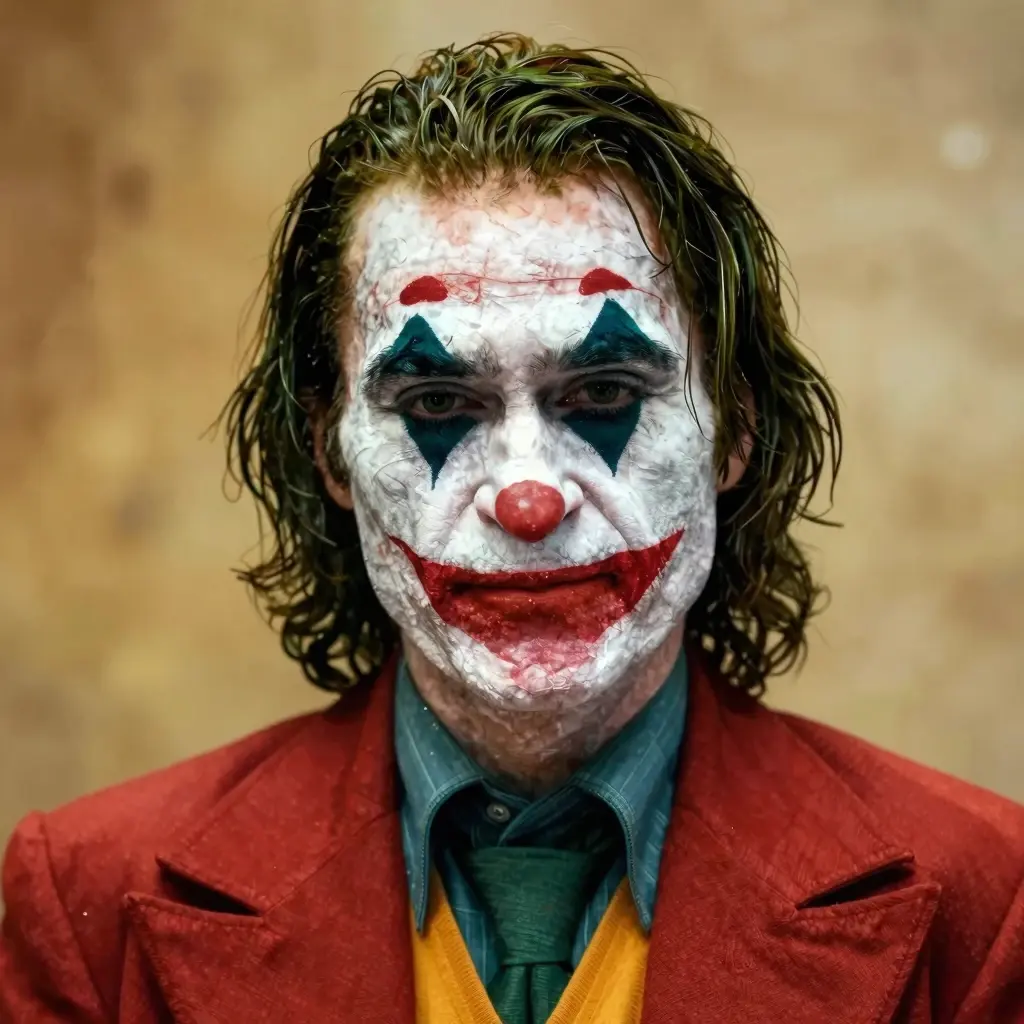
👉 Jared Leto is an Oscar-winning actor 🎭
👉 He gained acclaim for Dallas Buyers Club 🏆
👉 Known for intense, immersive performances 🧠
👉 Also leads Thirty Seconds to Mars 🎤
👉 Selected to bring a fresh Joker vision 🃏
👉 Director David Ayer wanted originality 🎬
👉 Casting aimed to avoid repetition ⚖️
👉 Followed legendary performances by Heath Ledger 🔥
👉 High expectations from fans 📊
👉 Studio wanted a bold reinvention 🚀
👉 Leto embraced creative freedom 🎨
👉 Casting generated global buzz 🌍
👉 Considered a high-risk decision ⚡
👉 Promised a unique interpretation 🧩
Jared Leto’s Joker Transformation Process
👉 Fully committed to method acting 🎭
👉 Stayed in character on set 😳
👉 Built a psychological backstory 📖
👉 Focused on chaotic personality 🌀
👉 Experimented with voice and tone 🎤
👉 Created unpredictable behavior 😵
👉 Developed distinct body language 🕺
👉 Drew inspiration from comics 📚
👉 Added modern criminal traits 💼
👉 Used isolation techniques 🧍
👉 Explored emotional extremes 🔥
👉 Collaborated with filmmakers 🎬
👉 Focused on immersion over comfort 🧠
👉 Transformation became widely discussed 📢
The Look: Tattoos, Style, and Design Choices
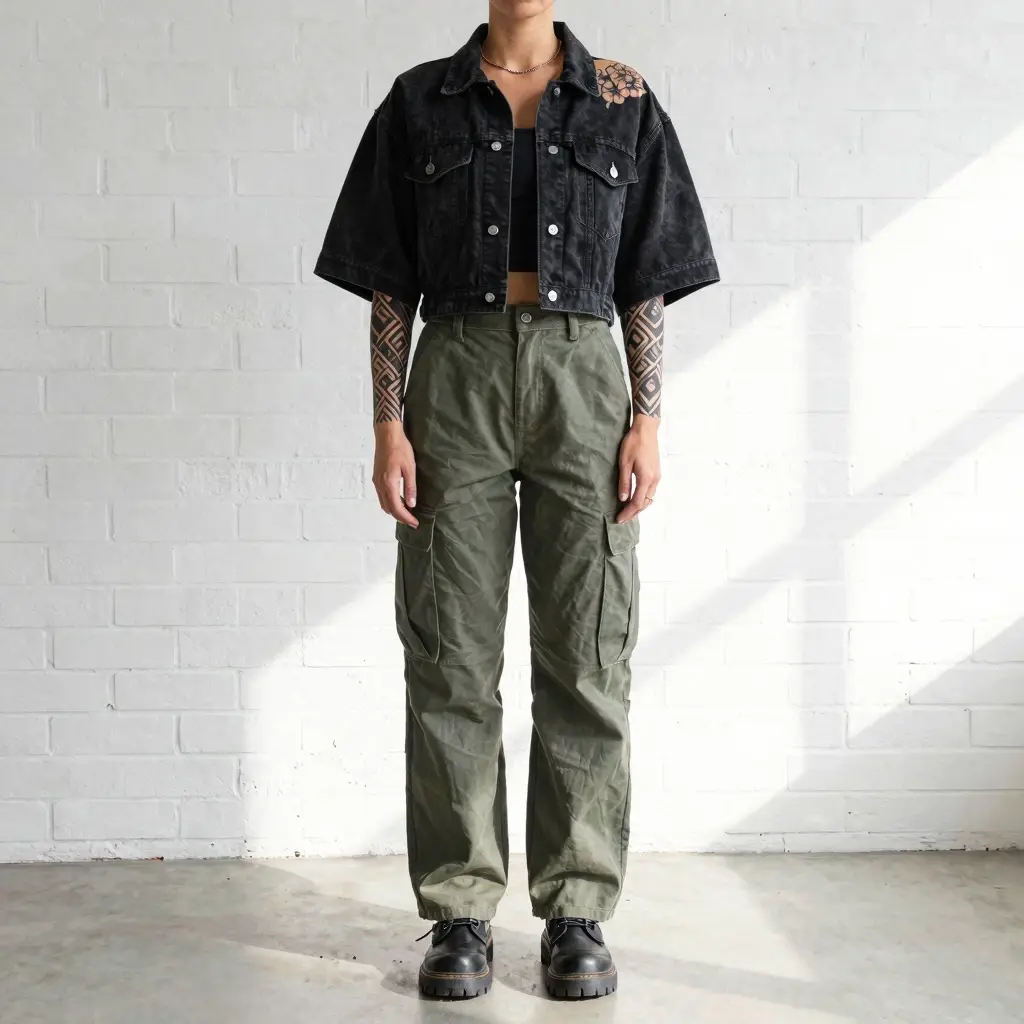
👉 Featured bold tattoos across body 💀
👉 “Damaged” forehead became iconic 😈
👉 Bright green hair design 💚
👉 Metallic grills replaced classic smile 😬
👉 Flashy, gangster-inspired outfits 👔
👉 Heavy use of jewelry 💎
👉 Purple coats modernized 🟣
👉 Crime boss aesthetic 🕴️
👉 Inspired by urban culture 🎨
👉 Highly stylized visuals 📸
👉 Mixed reactions from fans ⚖️
👉 Became popular in cosplay 🎭
👉 Unique compared to past Jokers 🃏
👉 Instantly recognizable look 🌍
Performance Style: How Leto Played Joker
👉 Focused on unpredictability 🧠
👉 Used sudden emotional shifts 🎢
👉 Delivered intense energy 🔥
👉 Played Joker as crime boss 🕴️
👉 Highlighted obsession with Harley 💘
👉 Combined humor and danger 😈
👉 Used physical acting techniques 🕺
👉 Created uncomfortable tension 😬
👉 Less philosophical approach ⚖️
👉 Emphasized presence over dialogue 🎭
👉 Unique laugh style 🎤
👉 Experimental acting choices 🧪
👉 Distinct from previous versions 🃏
👉 Memorable despite limited scenes 🎬
Behind-the-Scenes Controversies
👉 Method acting created headlines 📰
👉 Sent unusual gifts to co-stars 🎁
👉 Sparked debates about professionalism ⚠️
👉 Media amplified stories 📢
👉 Increased curiosity about film 🎬
👉 Some reports exaggerated 🤔
👉 Became viral discussion topic 🌐
👉 Raised ethical questions ⚖️
👉 Added mystique to character 🃏
👉 Generated free publicity 📊
👉 Divided opinions among cast 😅
👉 Highlighted acting extremes 🧠
👉 Remains controversial today 🔥
👉 Part of Joker’s legacy now 📖
Suicide Squad and Screen Time Issues
👉 Suicide Squad limited Joker scenes ⏱️
👉 Many moments cut in editing ✂️
👉 Fans expected larger role 😕
👉 Character felt underdeveloped 📖
👉 Focus stayed on team story 👥
👉 Marketing created false expectations 📢
👉 Deleted scenes later surfaced 📀
👉 Critics noted imbalance ⚖️
👉 Fans requested extended cut 🎥
👉 Performance judged unfairly 🧠
👉 Screen time affected impact ⏳
👉 Created disappointment among viewers 😞
👉 Still left lasting impression 🃏
👉 Sparked debate about studio decisions 🏢
Comparison with Other Jokers
👉 Heath Ledger portrayed chaos brilliantly 🖤
👉 Joaquin Phoenix focused on psychology 🧠
👉 Jack Nicholson delivered theatrical style 🎭
👉 Leto’s Joker felt modern and flashy ✨
👉 More crime boss than anarchist 🕴️
👉 Less screen presence ⏱️
👉 Strong visual identity 🎨
👉 Emphasized romance angle 💘
👉 Highly divisive among fans ⚖️
👉 Unique but controversial 🔥
👉 Expanded Joker interpretations 🌍
👉 Not universally accepted 🤔
👉 Compared constantly online 📱
👉 Remains debated today 🗣️
Fan Reactions and Criticism
👉 Mixed audience responses 😅
👉 Some praised originality 🎨
👉 Others criticized execution 😕
👉 Design choices debated heavily 💀
👉 Limited role affected perception ⏱️
👉 Social media amplified opinions 📱
👉 Memes spread rapidly 😂
👉 Critics focused on writing issues ✍️
👉 Cult following emerged 💪
👉 Fans divided strongly ⚖️
👉 Some defend Leto’s effort 🧠
👉 Others blame editing 🎬
👉 Discussions continue years later 🔥
👉 Still polarizing today 🃏
The Snyder Cut Appearance
👉 Returned in Zack Snyder’s Justice League 🎬
👉 New, darker look 🖤
👉 Removed tattoos partially 😯
👉 More serious tone ⚖️
👉 Scene with Batman 🦇
👉 Improved dialogue depth 🧠
👉 Fans reacted positively 👍
👉 Less flashy portrayal 🎭
👉 Showed different potential 🔄
👉 Short but impactful ⏱️
👉 Revived interest in character 🔥
👉 Demonstrated acting range 🎬
👉 Added complexity 📖
👉 Left fans curious for more 🃏
Relationship with Harley Quinn
👉 Strong romantic focus 💘
👉 Harley played by Margot Robbie 🎭
👉 Relationship portrayed as toxic ⚠️
👉 Joker manipulates Harley 🧠
👉 Chemistry praised by some ❤️
👉 Criticized for glamorization ⚖️
👉 Key narrative element 📖
👉 Emotional intensity highlighted 🔥
👉 Became iconic visually 📸
👉 Inspired fan edits 📱
👉 Widely քննարկed online 🌐
👉 Central to Joker’s arc 💞
👉 Divided audience opinions 🤔
👉 Remains controversial topic 🗣️
Cultural Impact of Leto’s Joker
👉 Instantly recognizable design 🃏
👉 Influenced pop culture trends 🌍
👉 Popular in Halloween costumes 🎃
👉 Generated viral memes 😂
👉 Sparked global debates 🌐
👉 Attracted younger audience 📱
👉 Expanded Joker interpretations 🧠
👉 Blended modern style with comics 🎨
👉 Created lasting discussion 🔥
👉 Recognized worldwide 🌎
👉 Became part of DC history 📚
👉 Inspired cosplay community 🎭
👉 Added diversity to character ⚖️
👉 Still referenced today 📅
Why Jared Leto’s Joker Is Still Talked About
👉 Controversy keeps attention alive 🔥
👉 Unique visual identity 🎨
👉 Method acting stories intrigue 🧠
👉 Limited scenes create curiosity ⏱️
👉 Comparisons fuel debates ⚖️
👉 Social media discussions ongoing 📱
👉 Memes maintain popularity 😂
👉 Snyder Cut revived interest 🎬
👉 Fans debate missed potential 🤔
👉 Distinct from traditional Joker 🃏
👉 Strong branding effect 📊
👉 Actor’s reputation adds intrigue 🎭
👉 Mystery around deleted scenes 📀
👉 Continues trending online 🌐
Lessons from This Joker Portrayal
👉 Bold risks can divide audiences ⚡
👉 Execution is crucial 🎯
👉 Screen time shapes perception ⏱️
👉 Marketing must align with reality 📢
👉 Fans expect depth 📖
👉 Writing impacts success ✍️
👉 Visuals alone aren’t enough 🎨
👉 Audience expectations matter 🧠
👉 Comparisons are inevitable ⚖️
👉 Controversy boosts visibility 🔥
👉 Editing influences final result 🎬
👉 Actor effort doesn’t guarantee success 🎭
👉 Innovation requires balance ⚖️
👉 Every version adds to legacy 🃏
FAQs About Jared Leto Joker
Was Jared Leto’s Joker bad?
It was divisive—some liked the bold approach, others didn’t.
Why was his role so small?
Many scenes were cut during editing.
Is his Joker comic accurate?
It’s a modern reinterpretation, not fully traditional.
Did fans accept this version?
Reactions were mixed worldwide.
Was Snyder Cut Joker better?
Many fans felt it improved the character.
Will he return again?
No confirmed future appearances.
Why is his Joker controversial?
Due to design, acting style, and limited screen time.
How is he different from other Jokers?
More modern, flashy, and crime-boss focused.
Conclusion:🃏
Jared Leto delivered a version of the Joker that broke expectations and sparked global debate. While not universally loved, it remains one of the most unique interpretations of the character.
Love it or hate it, this Joker proves that reinvention always comes with risk and sometimes, that’s what keeps a character alive for generations.
👉 If you enjoyed this breakdown, share it, bookmark it, and explore more deep dives into iconic characters!

Amanda Lewis specializes in clean, clever wordplay that leaves readers smiling. She creates stress-free, feel-good humor suitable for all audiences. Amanda’s work blends creativity, timing, and relatability, ensuring her jokes are memorable and shareable.